Blog
3 min readezyConneqtLead generation tools

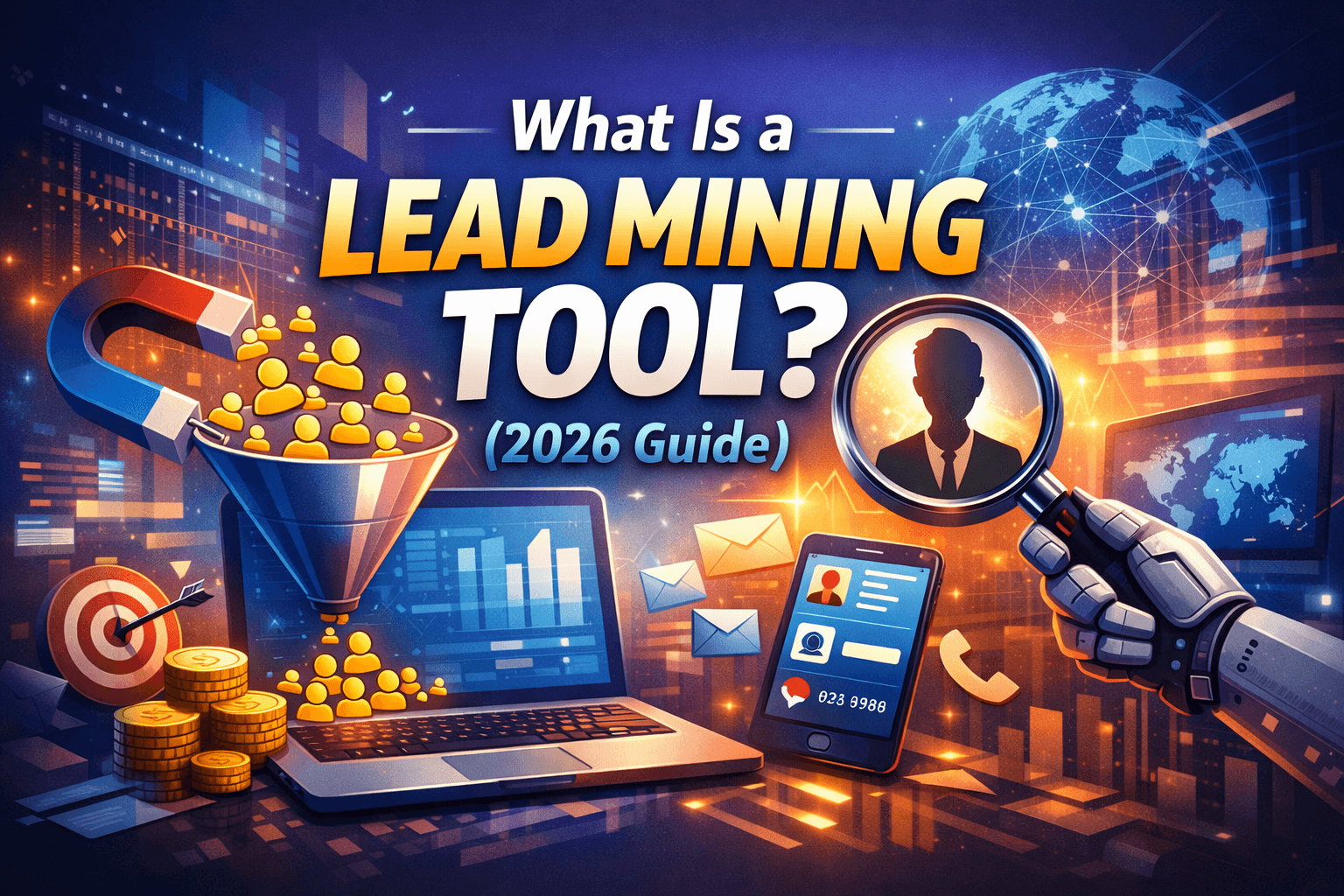
What Is a Lead Mining Tool? (2026 Guide)

Introduction Lead mining is no longer a casual add-on in sales stacks — it’s a core growth function. Modern sales teams demand tools that do more than list contacts: they need intent data, persona insights, unlimited exports, fast enrichment, and smooth CRM integration. In 2026, a lead mining tool must be: AI-powered Unlimited in usage Easy to scale Globally usable And among the emerging leaders in this space is EzyConneqt — a tool built to solve the exact problems sales teams face today. What Is Lead Mining? Lead mining refers to the process of finding highly relevant prospects at scale. It includes: Discovering new accounts and contacts Enriching contact information (email, phone, role) Scoring prospects for prioritisation Exporting leads to CRM or outreach platforms Lead mining tools differ from lead lists or scraping tools. They continuously surface updated data that aligns with your ICP (Ideal Customer Profile) and help revenue teams act faster and more intelligently. Modern Lead Mining vs Old-School Lead Lists Traditional Lead Lists Modern Lead Mining Static data dumps Real-time discovery Manual filtering AI-assisted persona targeting Limited exports Unlimited exports (EzyConneqt) Frequent inaccuracies Fresh & verified data Spreadsheet work Direct CRM syncs In 2026, sales teams don’t just want leads — they want usable leads. And that’s where tools like EzyConneqt outperform legacy platforms. Key Features of a Modern Lead Mining Tool A tool worth investing in today should have: ✅ 1. Unlimited Prospect Discoveries Many legacy tools charge per search or cap credits. EzyConneqt breaks this mold by allowing unlimited lead mining, empowering sales teams to scale without worrying about credit exhaustion. ✅ 2. Intelligent Enrichment EzyConneqt enriches leads with: Verified emails and phone numbers Job titles and roles Company details Tech stack information Social profiles This saves hours of manual cleanup and maximises accuracy. ✅ 3. AI-Driven Persona Matching Rather than returning generic results, EzyConneqt’s AI persona matching maps prospects to your: Target industries Job titles Revenue segments Growth intent signals Traditional tools often return too much noise, forcing SDRs to filter manually. EzyConneqt surfaces relevant leads with no guesswork. ✅ 4. Smart Filters & Segmentation Powerful filters help you target: Senior decision-makers Fast-growing startups Region-specific segments Vertical-specific audiences This ensures your outbound efforts are always relevant. ✅ 5. CRM & Outreach Integrations EzyConneqt integrates seamlessly with: Salesforce HubSpot Pipedrive Outreach.io Apollo.io (as a data source) Zapier This creates a smooth flow from discovery → enrichment → outreach. Why EzyConneqt Matters in 2026 Today’s sales cycles are more competitive than ever: Buyers filter unpersonalised outreach Outbound success requires scale + precision Sales teams can’t afford slow data updates or credit limits EzyConneqt solves these by giving teams: Fast access to verified leads Unlimited mining & exporting AI-driven persona alignment Competitive pricing vs legacy platforms Lead Mining Impact on ROI Sales teams using traditional tools often experience: Wasted credits Frequent list cleanup Low deliverability Slow pipeline build By contrast, EzyConneqt: Reduces time spent on manual prospects by 40%+ Improves contact accuracy rates significantly Enables SDRs to test more ICPs per month Reduces tool churn due to predictable pricing Lead Mining Tool Use Cases 🔹 High-Growth Startups Funnels more prospects faster without paying per credit. 🔹 Sales Development Reps Finds verified contacts instantly. 🔹 Agencies Builds tailored lists for clients with deep segmentation. 🔹 SMB & Enterprise Teams Scales prospecting with no usage anxiety. Conclusion A lead mining tool in 2026 is not just about listing leads — it’s about finding the right leads faster, enriching them completely, and enabling smarter outreach. EzyConneqt stands out because it combines: Unlimited mining Intelligent AI Seamless integrations Competitive pricing Modern sales teams don’t just need leads — they need insights. And that’s where EzyConneqt delivers.

What Is a Lead Mining Tool? (2026 Guide)

Introduction 

Lead mining is no longer a casual add-on in sales stacks — it’s a core growth function. Modern sales teams demand tools that do more than list contacts: they need intent data, persona insights, unlimited exports, fast enrichment, and smooth CRM integration. 

In 2026, a lead mining tool must be: 

  • AI-powered 
  • Unlimited in usage 
  • Easy to scale 
  • Globally usable 

And among the emerging leaders in this space is EzyConneqt — a tool built to solve the exact problems sales teams face today. 


What Is Lead Mining? 

Lead mining refers to the process of finding highly relevant prospects at scale. It includes: 

  • Discovering new accounts and contacts 
  • Enriching contact information (email, phone, role) 
  • Scoring prospects for prioritisation 
  • Exporting leads to CRM or outreach platforms 

Lead mining tools differ from lead lists or scraping tools. They continuously surface updated data that aligns with your ICP (Ideal Customer Profile) and help revenue teams act faster and more intelligently. 


Modern Lead Mining vs Old-School Lead Lists 

Traditional Lead Lists 
Modern Lead Mining 
Static data dumps 
Real-time discovery 
Manual filtering 
AI-assisted persona targeting 
Limited exports 
Unlimited exports (EzyConneqt) 
Frequent inaccuracies 
Fresh & verified data 
Spreadsheet work 
Direct CRM syncs 

In 2026, sales teams don’t just want leads — they want usable leads. And that’s where tools like EzyConneqt outperform legacy platforms. 


Key Features of a Modern Lead Mining Tool 

A tool worth investing in today should have: 

✅ 1. Unlimited Prospect Discoveries 

Many legacy tools charge per search or cap credits. EzyConneqt breaks this mold by allowing unlimited lead mining, empowering sales teams to scale without worrying about credit exhaustion. 


✅ 2. Intelligent Enrichment 

EzyConneqt enriches leads with: 

  • Verified emails and phone numbers 
  • Job titles and roles 
  • Company details 
  • Tech stack information 
  • Social profiles 

This saves hours of manual cleanup and maximises accuracy. 


✅ 3. AI-Driven Persona Matching 

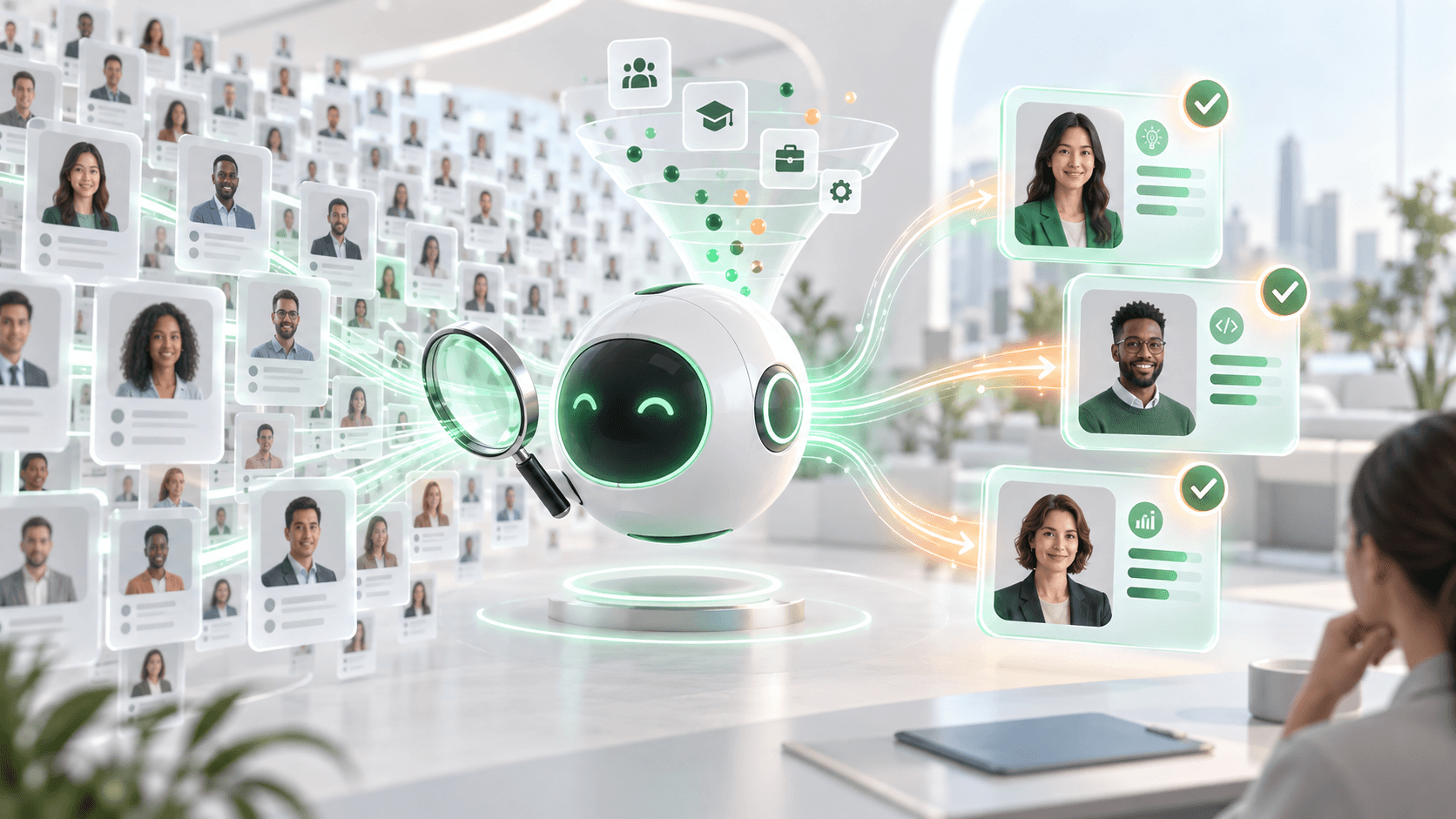
Rather than returning generic results, EzyConneqt’s AI persona matching maps prospects to your: 

  • Target industries 
  • Job titles 
  • Revenue segments 
  • Growth intent signals 

Traditional tools often return too much noise, forcing SDRs to filter manually. EzyConneqt surfaces relevant leads with no guesswork. 


✅ 4. Smart Filters & Segmentation 

Powerful filters help you target: 

  • Senior decision-makers 
  • Fast-growing startups 
  • Region-specific segments 
  • Vertical-specific audiences 

This ensures your outbound efforts are always relevant. 


✅ 5. CRM & Outreach Integrations 

EzyConneqt integrates seamlessly with: 

  • Salesforce 
  • HubSpot 
  • Pipedrive 
  • Outreach.io 
  • Apollo.io (as a data source) 
  • Zapier 

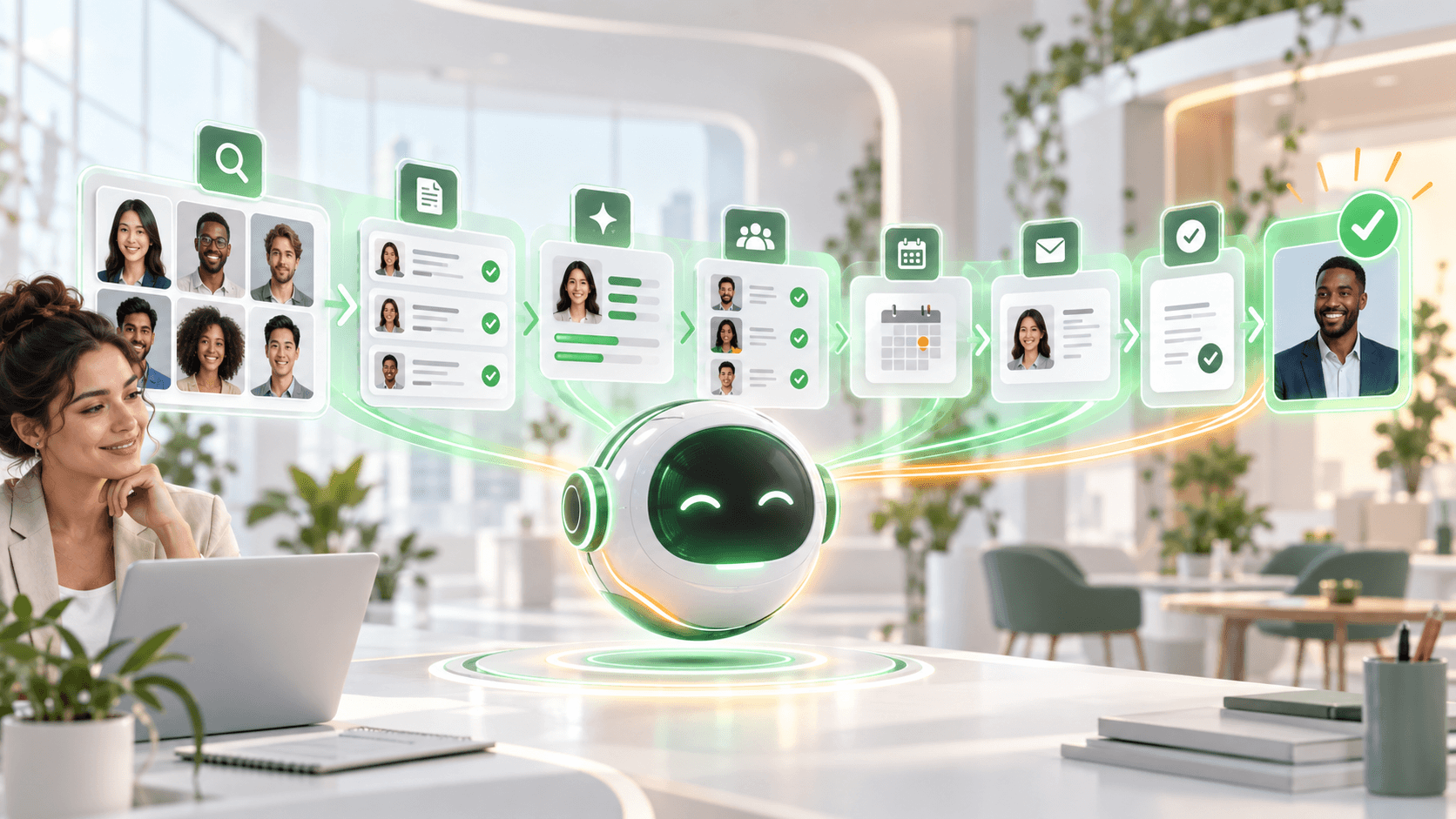
This creates a smooth flow from discovery → enrichment → outreach. 


Why EzyConneqt Matters in 2026 

Today’s sales cycles are more competitive than ever: 

  • Buyers filter unpersonalised outreach 
  • Outbound success requires scale + precision 
  • Sales teams can’t afford slow data updates or credit limits 

EzyConneqt solves these by giving teams: 

  • Fast access to verified leads 
  • Unlimited mining & exporting 
  • AI-driven persona alignment 
  • Competitive pricing vs legacy platforms 


Lead Mining Impact on ROI 

Sales teams using traditional tools often experience: 

  • Wasted credits 
  • Frequent list cleanup 
  • Low deliverability 
  • Slow pipeline build 

By contrast, EzyConneqt: 

  • Reduces time spent on manual prospects by 40%+ 
  • Improves contact accuracy rates significantly 
  • Enables SDRs to test more ICPs per month 
  • Reduces tool churn due to predictable pricing 


Lead Mining Tool Use Cases 

🔹 High-Growth Startups 

Funnels more prospects faster without paying per credit. 

🔹 Sales Development Reps 

Finds verified contacts instantly. 

🔹 Agencies 

Builds tailored lists for clients with deep segmentation. 

🔹 SMB & Enterprise Teams 

Scales prospecting with no usage anxiety. 


Conclusion 

A lead mining tool in 2026 is not just about listing leads — it’s about finding the right leads faster, enriching them completely, and enabling smarter outreach. 

EzyConneqt stands out because it combines: 

  • Unlimited mining 
  • Intelligent AI 
  • Seamless integrations 
  • Competitive pricing 

Modern sales teams don’t just need leads — they need insights. And that’s where EzyConneqt delivers. 
Written by

ezyConneqt

Share

More from the blog

AI Recruiting Tools vs AI Recruiting Agents: What’s the Difference?
Lead generation tools

AI Recruiting Tools vs AI Recruiting Agents: What’s the Difference?

Introduction The AI recruiting market is becoming crowded. Some products help write job descriptions. Others search for candidates, enrich profiles, generate outreach, screen applicants, schedule interviews, or analyze assessments. Then there are AI recruiting agents. The difference matters because a tool and an agent can solve very different problems. An AI recruiting tool usually helps with a defined task. An AI recruiting agent is designed to coordinate multiple tasks toward a broader objective. Instead of asking, “Which feature should I use next?” the recruiter can start with, “Here is the hiring outcome I need.” This article explains the difference between AI recruiting tools and AI recruiting agents, how agents compare with chatbots and copilots, when each approach makes sense, and how ezyConneqt fits into the agentic recruiting model. What Is an AI Recruiting Tool? An AI recruiting tool is software that uses artificial intelligence to assist with one or more recruiting activities. Examples include AI resume summarization, job-description generation, candidate matching, sourcing, outreach generation, interview scheduling, assessment support, or recruiting analytics. These tools can be extremely useful. The limitation is not that they are “less advanced.” It is that they are generally designed around a specific function. If a recruiter needs to solve one task, a focused tool may be exactly what is needed. What Is an AI Recruiting Agent? An AI recruiting agent is designed around a broader objective. For example, instead of asking the system to “write an outreach email,” the recruiter can say: “Find qualified senior backend engineers in Bengaluru, enrich their profiles, contact the strongest matches, screen responses, coordinate assessments, and keep me updated.” The agentic workflow is: Goal → Plan → Search → Enrich → Engage → Screen → Test → Verify → Outcome The agent coordinates the sequence, while the recruiter remains involved in decisions that require judgment or approval. AI Recruiting Tool vs AI Recruiting Agent: The Core Difference The simplest distinction is workflow scope. An AI tool generally helps you perform a task. An AI agent helps you pursue an outcome. For example: • Tool: generate a candidate outreach message. • Agent: identify relevant candidates, research them, generate personalized outreach, send approved communications, track responses, and move suitable candidates into the next stage. Another example: • Tool: summarize ten candidate profiles. • Agent: search for candidates matching a role, enrich them, prioritize them, summarize the strongest matches, and prepare them for engagement. The agent is not necessarily better for every use case. It is more appropriate when multiple tasks need to be coordinated. AI Recruiting Agent vs Chatbot A chatbot is primarily a conversational interface. It answers questions or responds to prompts. An AI agent can use conversation as the interface while performing actions behind the scenes. A chatbot might answer: “What skills should I look for in a data engineer?” An agent might receive: “Find 30 data engineers with five-plus years of experience in Bengaluru and prepare the strongest matches for outreach.” The important distinction is execution. The question is whether the system can continue working after the conversation starts. AI Recruiting Agent vs Copilot A copilot generally works alongside a human. The recruiter asks it to perform a task and then decides what to do next. An agent can take a broader objective and coordinate multiple approved steps. Copilots are useful when the recruiter wants close control over every action. Agents are useful when the recruiter wants to delegate operational work while maintaining oversight. Many organizations will use both. A recruiter might rely on an agent for sourcing and workflow coordination and a copilot for drafting or analyzing a specific piece of information. Can an AI Recruiting Agent Actually Do the Work? Yes, when it has the appropriate data access, tools, permissions, and workflow configuration. An agent can search for candidates, enrich information, coordinate outreach, organize screening, support assessments, and track progress. However, “autonomous” should not mean “uncontrolled.” The right design includes boundaries. Sensitive actions can require approval. Communication policies can limit outreach. Hiring decisions can remain with people. The strongest enterprise approach is controlled autonomy: AI handles approved operational work, and humans remain accountable for consequential decisions. What Recruiting Tasks Can an AI Agent Handle? An agentic recruiting workflow can connect several activities: Search: identify candidates based on hiring criteria. Enrich: add professional and contact context. Engage: support relevant personalized outreach and follow-up. Screen: organize information against defined requirements. Test: coordinate assessments. Verify: support relevant verification steps. Shortlist: present stronger candidates for human review. The value comes from connecting the steps rather than automating each one independently. Can AI Recruiting Agents Automate the Entire Hiring Process? No responsible recruiting strategy should assume that every hiring decision should become fully autonomous. AI can automate a large amount of operational work, but hiring includes human judgment, organizational context, interviews, communication, negotiation, and accountability. A better goal is selective automation. Automate what is repetitive and measurable. Keep humans involved where the decision is consequential, ambiguous, or relationship-driven. Why Is Agentic Recruiting Important? Recruiting technology has accumulated many specialized systems. The challenge is often not the absence of software but the fragmentation of work. A recruiter may search in one place, enrich in another, write outreach in another, track communication somewhere else, and manage assessments in a separate workflow. Agentic recruiting aims to make the workflow outcome-centric. The system coordinates work around the goal rather than requiring the recruiter to coordinate every tool manually. That can reduce context switching and create a more continuous recruiting process. How Does ezyConneqt Work as an AI Recruiting Agent? ezyConneqt approaches recruiting through an end-to-end agentic workflow. The recruiter communicates the hiring objective and relevant criteria. The recruiting agent can then move through Search → Enrich → Engage → Screen → Test → Verify. This makes the system more than a candidate database or message generator. It is designed to help execute the work between the initial hiring requirement and a qualified shortlist. The human remains in control. ezy handles operational work while the recruiting team focuses on evaluation, relationships,

Read article
How to Find Qualified Candidates Faster With AI Candidate Sourcing
Lead generation tools

How to Find Qualified Candidates Faster With AI Candidate Sourcing

Introduction Finding candidates is easy. Finding the right candidates quickly is much harder. Recruiters can spend hours searching profiles, checking experience, comparing skills, researching companies, collecting contact information, and deciding who deserves outreach. For specialized roles, the challenge becomes even greater because the most relevant candidates may use different job titles or have experience spread across several companies and technologies. AI candidate sourcing can reduce that workload. Instead of treating sourcing as a manual search exercise, AI can turn a hiring requirement into a repeatable discovery workflow. It can help identify candidates, enrich their profiles, prioritize potential matches, and prepare the strongest people for engagement. This guide explains how AI candidate sourcing works, how to improve candidate matching, how to find passive candidates, and how ezyConneqt connects sourcing with the rest of the recruiting workflow. What Is AI Candidate Sourcing? AI candidate sourcing is the use of artificial intelligence to help recruiters discover, analyze, organize, and prioritize potential candidates. Traditional sourcing often begins with a recruiter manually entering searches, opening profiles, checking qualifications, recording information, and repeating the process. AI candidate sourcing can make the process more goal-oriented. The recruiter defines what the ideal candidate looks like, and the system helps translate that requirement into a search and evaluation workflow. The objective is not to create the largest possible list. It is to create a relevant candidate pool that can move efficiently into the next recruiting stages. How Does AI Candidate Sourcing Work? A useful AI sourcing process begins with a clear candidate profile. For example: “Find senior backend engineers in Bengaluru with at least five years of Java and Spring Boot experience, preferably from product companies.” The system can use the requirements to identify potentially relevant profiles. It can then help enrich those profiles, compare them against the criteria, and prioritize candidates for review. A modern workflow can look like: Define → Search → Match → Enrich → Prioritize → Engage The key advantage is continuity. The information collected during sourcing can remain useful for enrichment and outreach instead of being discarded after the initial search. Can AI Find Qualified Candidates? AI can help identify candidates who match defined criteria, but qualification should remain a human-supervised process. Objective requirements such as years of experience, technology skills, location, and professional background can be useful matching signals. Other qualities require context. For that reason, the strongest approach is to use AI to surface evidence and reduce manual filtering while allowing recruiters to make the final judgment. AI should help answer “Who deserves a closer look?” rather than pretending to make every hiring decision automatically. Can AI Find Candidates Based on Skills Instead of Job Titles? Yes, and this is one of the most useful capabilities of AI-assisted sourcing. A person who is a strong fit for a role may not have the exact title written in the job description. A backend engineer may have worked under titles such as software engineer, platform engineer, application engineer, or technical lead. Similarly, relevant skills may appear in project descriptions rather than a formal skills list. AI can help recruiters look at the broader professional context instead of relying exclusively on exact keyword matches. Can AI Find Passive Candidates? AI can help identify people who are not actively applying for jobs but may still be relevant to an opportunity. Passive candidates are important for specialized hiring because the best match may not be searching job boards at the exact moment a role opens. The next step is relevance. A passive candidate is more likely to respond when outreach clearly explains why the opportunity fits their background. That makes enrichment and personalization essential parts of AI sourcing. How Does AI Match Candidates to a Job? AI can compare candidate information with role requirements across multiple dimensions. These may include: • technical skills; • years of experience; • seniority; • industry; • location; • company background; • technologies; • relevant projects; • professional progression. The output should help recruiters prioritize. A match score or recommendation is not a substitute for human review, especially when the information is incomplete or ambiguous. Why Is Candidate Enrichment Important? A name and job title rarely provide enough context to decide whether someone deserves outreach. Enrichment adds depth. Recruiters can learn more about professional background, skills, company history, experience, contact details, and relevant signals. This improves sourcing because the recruiter can evaluate relevance before spending time on outreach. It also improves personalization because the same information can be used to create a more contextual message. How Can AI Prioritize Candidates? Recruiters often face a volume problem. There may be hundreds of potentially relevant profiles but only enough time to deeply review a small number. AI can help prioritize candidates using the criteria defined by the recruiter. For example, a search can prioritize people who match the required technology, seniority, location, and experience while giving additional weight to preferred signals. The recruiter can then review the highest-priority candidates first. AI Candidate Sourcing vs Manual Sourcing Manual sourcing gives recruiters control but requires significant time. The recruiter searches, reviews, researches, records information, compares candidates, and prepares outreach. AI candidate sourcing can automate or accelerate these steps. The recruiter still defines the target and evaluates important candidates, but the system handles more of the repetitive discovery work. The result is not “AI instead of recruiters.” It is “AI for more of the searching and organization, recruiters for more of the judgment.” What Should Recruiters Look for in an AI Sourcing Tool? Look for search depth, natural-language input, flexible filters, enrichment, relevant professional data, candidate prioritization, outreach support, workflow automation, and human control. Also ask whether the tool can move beyond sourcing. If the platform can connect discovery to enrichment, engagement, screening, and verification, it may reduce more workflow fragmentation than a sourcing-only product. The best platform is the one that solves the actual recruiting bottleneck rather than simply adding another dashboard. How Does ezyConneqt Find and Enrich Candidates? ezyConneqt is designed to connect candidate discovery with the broader recruiting workflow. Users can define

Read article
How Can AI Make Recruiting Faster? 10 Ways to Automate Hiring
Lead generation tools

How Can AI Make Recruiting Faster? 10 Ways to Automate Hiring

Introduction Recruiting speed is not just about working faster. It is about removing unnecessary manual steps from the hiring process. A recruiter can lose hours searching profiles, copying candidate information, researching companies, writing outreach, tracking follow-ups, coordinating assessments, and moving information between systems. None of those activities necessarily requires a recruiter to make the final hiring decision. AI can help by automating or coordinating the operational layer. The biggest opportunity is not one AI feature. It is connecting the workflow: Find → Enrich → Engage → Screen → Test → Verify → Shortlist This article explains ten practical ways AI can make recruiting faster, what should remain human, and how an AI recruiting agent such as ezyConneqt can help teams move from a hiring requirement to qualified conversations more efficiently. 1. Automate Candidate Sourcing Candidate sourcing is one of the clearest opportunities for recruiting automation. Instead of manually searching multiple sources and reviewing large numbers of profiles, AI can help identify people who match a defined candidate profile. A strong sourcing request is specific. “Find engineers” is broad. “Find senior backend engineers in Bengaluru with five-plus years of Java and Spring Boot experience” gives the system much more useful direction. AI can then help narrow the candidate pool based on role, skills, location, experience, seniority, company background, technology, industry, and other criteria. The result is not simply more candidates. The objective is a more relevant starting pool with less manual searching. 2. Automate Candidate Enrichment Finding a candidate is only the first step. Recruiters need context. AI can help enrich profiles with professional background, experience, skills, company information, contact details, and other relevant signals. Instead of manually researching every candidate, recruiters can receive a more complete profile before deciding who deserves outreach. This matters because sourcing without context creates additional work later. Enrichment brings research closer to discovery, making the workflow more efficient. 3. Personalize Candidate Outreach at Scale Recruiters often face a difficult tradeoff: personalized outreach takes time, while generic outreach performs poorly and can create a negative candidate experience. AI can help bridge that gap by using relevant profile information to create more contextual messages. The goal should not be to send the maximum number of messages. The goal should be to make relevant outreach scalable. For example, an agent can use a candidate’s role, experience, technology background, or professional context to help produce a message that explains why the opportunity may be relevant. 4. Automate Recruiting Follow-Ups Recruiting pipelines often lose momentum because follow-ups are inconsistent. A recruiter may intend to follow up but become busy with interviews, hiring manager meetings, or other requisitions. AI-powered workflows can coordinate follow-up activities so candidates do not disappear simply because a manual reminder was missed. Follow-ups should still respect candidate preferences, communication policies, and appropriate frequency. Automation should improve consistency, not create spam. 5. Speed Up Candidate Screening Screening can consume substantial recruiter time, particularly for high-volume roles. AI can help compare candidate information against predefined requirements and organize relevant evidence for review. This allows recruiters to spend more time evaluating stronger potential matches and less time repeatedly checking basic criteria. The important distinction is between screening assistance and automated hiring decisions. AI can organize information; people should retain appropriate responsibility for consequential decisions. 6. Automate Candidate Testing and Assessments Assessments often involve multiple administrative steps: selecting the right test, sending it, tracking completion, reviewing results, and updating the candidate record. An agentic workflow can coordinate these activities so the recruiter does not have to manage each step manually. Testing becomes part of the recruiting workflow rather than a separate process that requires additional administration. 7. Coordinate Candidate Verification Verification can be another source of delay when it is handled manually and late in the process. Where appropriate, AI-enabled workflows can help organize verification steps and make relevant information available to the recruiting team. Verification should always be designed around applicable rules, consent requirements, privacy expectations, and the specific purpose for which information is being used. 8. Reduce Recruiter Administrative Work Recruiters spend time updating records, copying information, tracking candidate status, writing notes, moving data between systems, and managing repetitive workflow tasks. AI agents can reduce this administrative burden by keeping related activities inside a connected process. The productivity gain is not simply fewer clicks. It is fewer context switches. When recruiters do not have to constantly move between disconnected tasks, they can focus on candidate conversations and hiring decisions. 9. Find the Right Candidates Faster Through Better Targeting Speed begins before the search. Poorly defined hiring requirements create large amounts of irrelevant work. AI can help recruiters work from structured criteria such as skills, seniority, location, industry, company size, technologies, and hiring signals. The better the target, the less time the team spends reviewing irrelevant candidates. This is why natural-language goal setting can be powerful: the recruiter can communicate the business requirement and let the system translate it into a workflow. 10. Connect the Recruiting Workflow With an AI Agent The biggest efficiency improvement comes when the steps are connected. Instead of: Search → stop → export → enrich → stop → write outreach → stop → follow up → stop → screen An agentic workflow can move through: Goal → Search → Enrich → Engage → Screen → Test → Verify → Shortlist The recruiter can review progress and intervene when needed. This is the difference between automating individual tasks and automating a workflow. What Is AI Recruitment Automation? AI recruitment automation is the use of artificial intelligence to reduce or coordinate manual work across recruiting. It can include sourcing, profile enrichment, outreach, follow-ups, screening, assessments, verification, scheduling, reporting, and other workflow activities. The best implementations are not built around the question “How much can we automate?” They are built around “Which work should AI handle so recruiters can spend more time on higher-value decisions?” How Much of Recruiting Should Remain Human? Recruiting is a human process even when technology handles more of the operational work. Recruiters

Read article

Find, enrich & reach, in one workspace.

Search or capture leads, verify contact details, get insight briefs, and run outreach, the full motion, not a stack of tools.

One product

The full lead motion

All-in-one
  1. Find

    Search 500M+ profiles

  2. Add

    QR, forms & extension

  3. Enrich

    Verify + insight brief

  4. Outreach

    Sequences that run

What used to be four tools, now one workspace.